How to Access Your Files From Anywhere: Cloud, Remote Desktop or NAS

Accessing files remotely from a laptop

Short answer: the easiest way to reach your files from anywhere is cloud sync, put important files in a synced folder and open them on any device. For the whole machine, use remote desktop; for full ownership and no monthly fee, a home NAS. Here is a detailed comparison and how to set each up.

Option 1: Cloud sync (easiest, best for most)

Keep files in a synced folder from Dropbox, Google Drive or OneDrive. They upload automatically, and you open them from any browser or phone. Setup: install the desktop app, sign in, and move your important folders into the synced location.

Option 2: Remote desktop (full control of your PC)

To actually operate your home computer, Chrome Remote Desktop is free and browser-based. Use this when you need a program that only lives on that machine, not just the files.

Option 3: Home NAS (most control, no subscription)

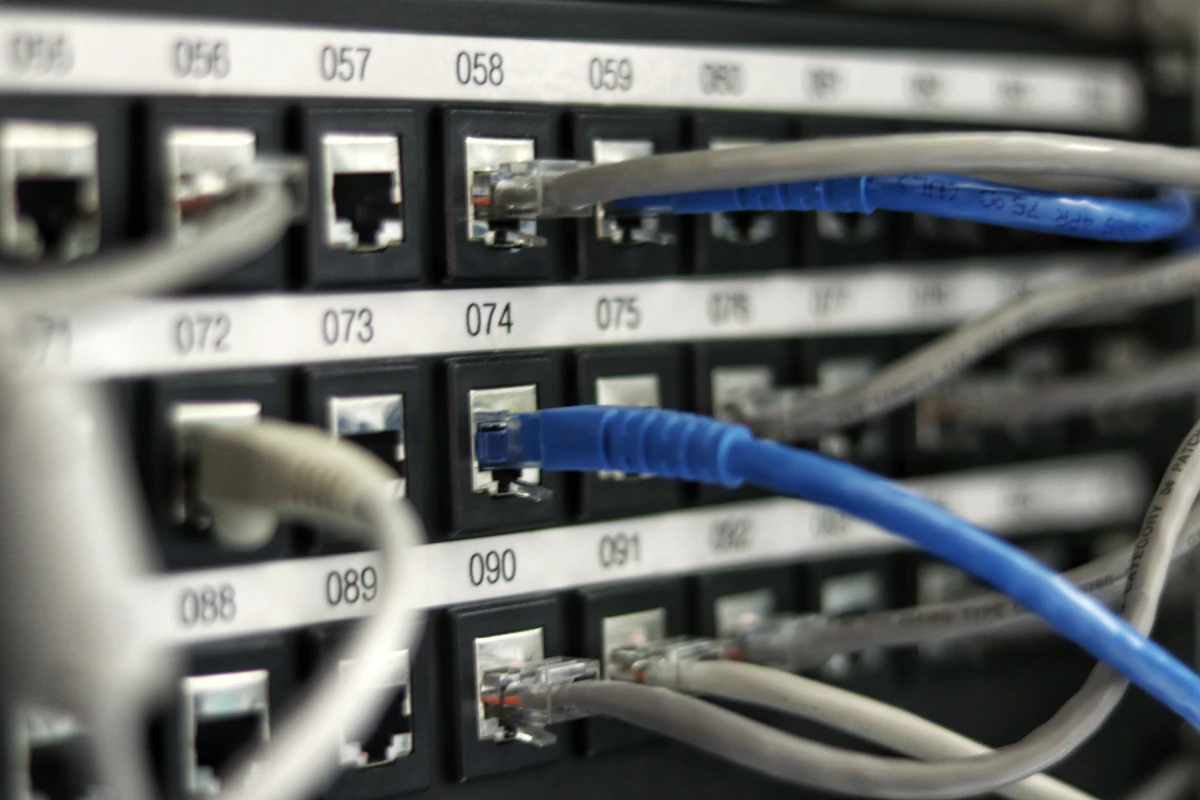
A network-attached storage device sits at home holding your files, and lets you reach them remotely over the internet. More setup and upfront cost, but you own the data with no monthly fee, ideal for large media libraries.

Which should you choose?

NeedBest option
A few docs everywhereCloud sync
Run a specific PC programRemote desktop
Large library, own the dataHome NAS

The non-obvious tip: work inside the synced folder

People email themselves files or copy them to a USB stick and then juggle versions. The fix is to work directly inside your synced folder so there is only ever one current copy, everywhere. Add a local backup on an external drive for safety.

Frequently asked questions

What is the easiest way to access files from anywhere?

Cloud sync. Keep files in a Dropbox, Google Drive or OneDrive folder and they upload automatically, opening from any browser or phone.

How do I access my whole PC remotely?

Use Chrome Remote Desktop, which is free and browser-based, when you need to run a program that only lives on that machine.

Can I access files without a monthly cloud fee?

Yes. A home NAS holds your files and lets you reach them remotely with no subscription, though it takes more setup.

How do I avoid juggling file versions?

Work directly inside your synced cloud folder so there is only ever one current copy, and keep a local backup for safety.

Comments

Popular posts from this blog

How to Completely Uninstall Programs on Windows (Free Tools and Tips)

Short answer: you do not need a cracked Revo Uninstaller Pro, because Revo has a capable free version and there are free open-source alternatives that remove programs completely, leftover files and registry entries included. Here is how to uninstall cleanly and why leftovers matter. Why leftovers are a problem Windows' built-in uninstaller often leaves behind folders, registry keys and startup entries. Over time these accumulate, clutter your system, and occasionally cause conflicts when you reinstall software. A dedicated uninstaller sweeps them up. Free tools that remove programs completely Revo Uninstaller Free , uninstalls the program, then scans for and removes leftover files and registry entries. The free version covers what most people need. Bulk Crap Uninstaller , free, open source, and excellent for removing many programs at once and cleaning leftovers. How to uninstall cleanly with Revo Free Open Revo and select the program. Click Uninstall; let the progra...

How to Recover Deleted Files for Free (Better Than a Cracked Tool)

Short answer: you do not need a cracked 7-Data Recovery serial, because excellent free tools like Recuva and PhotoRec recover deleted files, and the most important factor is not the software at all, it is stopping use of the drive immediately. Here is how to recover files the safe, effective way. The one rule that decides success: stop using the drive When you delete a file, the data is not erased, the space is just marked reusable. The moment you keep saving new files, you risk overwriting the deleted data permanently. So the instant you realize something is gone: stop using that drive . Do not install recovery software onto it either, download it to a different drive or USB stick. The best free recovery tools Recuva , free, friendly, great for recovering deleted documents, photos and files from Windows drives and USB sticks. PhotoRec , free and open source, extremely powerful, especially for photos and media, though its interface is basic. Windows File History / backups , ...

How to Transfer Contacts Between Phones the Easy Way (2026)

Short answer: The easiest way to move contacts is to sync them to a cloud account first. Save contacts to your Google account on Android or iCloud on iPhone, then sign in to that same account on the new phone and they appear automatically. For everything else, export a vCard (.vcf) file and import it. Every time I set up a new phone the very first thing I want back is my contacts. Years ago this meant fiddly SIM copies and desktop software. These days I almost never touch a cable. Here are the modern methods I actually use, ranked from easiest to most manual. Method 1: Google account sync (best for Android) If your contacts are saved to your Google account rather than the phone itself, switching Android phones is basically automatic. On the old phone, open Settings > Accounts > Google and confirm Contacts sync is on. Wait a minute for the sync to finish, or tap the three-dot menu and choose Sync now . On the new phone, sign in with the same Google account during setup....