Short answer: most "slow internet" is actually slow Wi-Fi, not your connection, so the biggest wins come from better router placement, cutting interference, using a wired connection where it matters, and changing your DNS. No magic app makes your plan faster, but these fixes recover the speed you are already paying for. Here they are, cheapest first.
1. First, test your actual speed
Run a speed test (like Speedtest) both over Wi-Fi and plugged in with an Ethernet cable. If wired is much faster, your problem is Wi-Fi, not your internet plan, which changes everything you should fix.
2. Fix your Wi-Fi placement and interference
- Put the router central and elevated, not in a corner, cupboard or on the floor.
- Keep it away from microwaves, cordless phones and thick walls.
- Use the 5 GHz band for nearby devices (faster) and 2.4 GHz for range.
- Too far away? A mesh system or extender fills dead zones.
3. Use a wired connection where it counts
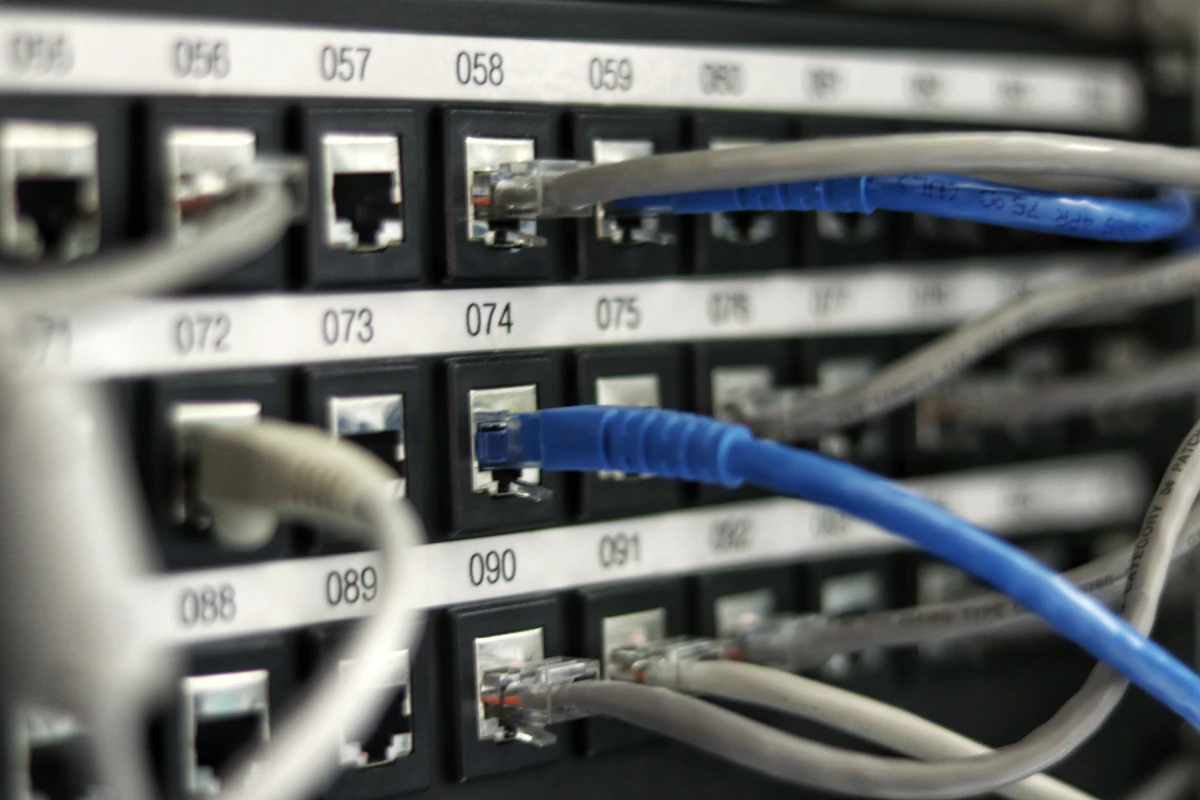
For a desktop, TV, or gaming console, an Ethernet cable is faster and more stable than Wi-Fi. It also frees up wireless bandwidth for your phones and laptops.
4. Change your DNS
Switching to a fast public DNS can make websites load quicker (it speeds up the lookup, not your raw bandwidth). Try Cloudflare's 1.1.1.1 or Google's 8.8.8.8 in your router or device network settings.
5. Update the router and reduce load
- Update router firmware, and restart it occasionally.
- Check what is hogging bandwidth (big downloads, streaming, updates) and schedule them off-peak.
- Secure your Wi-Fi so neighbors are not using it.
When you genuinely need a better plan
If wired speed matches your plan but the plan itself is too slow for your household (multiple 4K streams, video calls, big downloads at once), no tweak will fix that, you need a faster plan or a better provider. That is the honest limit of optimization.
The non-obvious tip: old hardware caps your speed
If you upgraded your plan but did not get faster, your router may be the bottleneck, an old router cannot deliver modern speeds no matter what you pay. Also, a device with an old Wi-Fi chip caps its own speed. Sometimes the cheapest real fix is a current router, not a faster (and pricier) plan.
Frequently asked questions
How can I increase my internet speed?
Most gains come from better router placement, using 5 GHz Wi-Fi or Ethernet, changing to a fast DNS, and updating your router, all of which recover speed you already pay for.
Why is my Wi-Fi slower than my plan?
Test wired vs Wi-Fi. If wired is much faster, the issue is Wi-Fi: poor placement, interference, distance or an old router, not your internet plan.
Does changing DNS make internet faster?
It can speed up how quickly websites resolve and start loading (try 1.1.1.1 or 8.8.8.8), though it does not increase your raw bandwidth.
Why didn't my speed improve after upgrading my plan?
An old router or a device with an old Wi-Fi chip can cap your speed. A current router is sometimes the real fix rather than a faster plan.
Comments
Post a Comment
If you have anything in mind, please let me know!